
Here is a sample of supplementary materials and activities I’ve created for courses I’ve taught before. These include sets of additional practice exercises, lecture notes, worksheets, visualization tools, and instructions for projects that apply the contents of a typical course. These all have a common goal: deconstructing the learning process and pushing the boundaries of comprehension. Why would anyone bring up unicorns when discussing limits? Calculus and machine learning? Differential equations and pharmacokinetics? How can you visualize the curvature of a space curve? Open the drop down menus and scroll down to find out more.
There may still be typos here and there. Sorry!
Precalculus
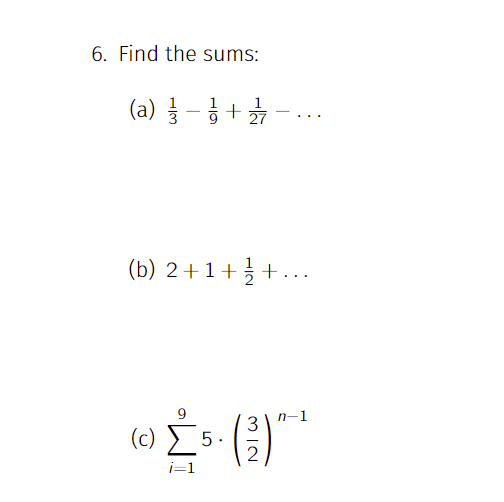
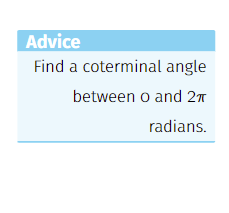
When teaching precalculus in person for the first time since going online for COVID shutdown, students struggled a lot with the material. These boot camps were created as “exercise regimes” aimed to prepare for exams. The exercises are split into manageable workloads designed for a day each, and each day’s exercises graduallly build up in difficulty from warm up to challenge, separating out the components of competence assessed: memory recall, algorithmic computation, translation of real world scenarios into mathematical expressions, or critical thinking. The series cover sequences and various topics of trigonometry.
Boot camp on sequences
Boot camps on trigonometry: parts 1, 2, 3 and 4.
Calculus I


These worksheets were designed to support a flipped classroom version of the course. The plan to flip was scrapped before the semester started, but the worksheets weren’t. Also available in dark mode for students who use tablets and prefer lower contrast.
Engineering Calculus I
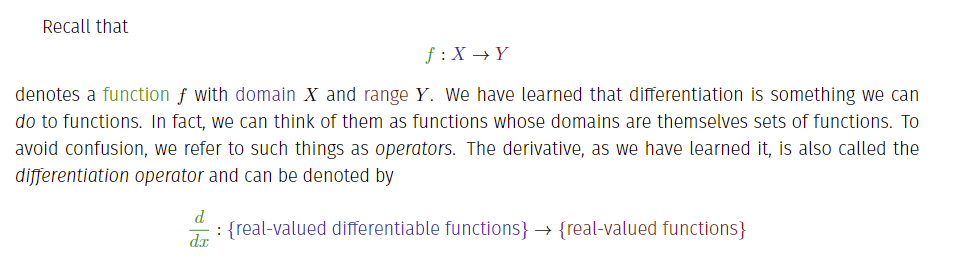
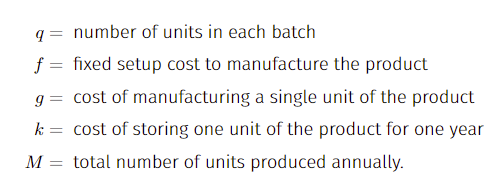
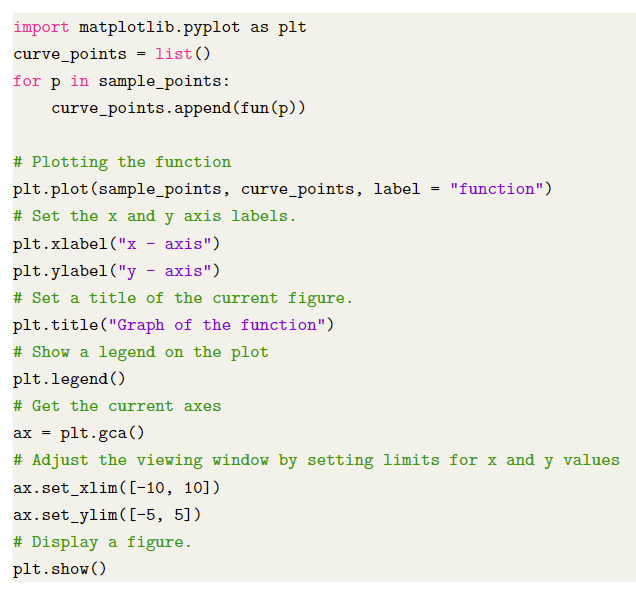
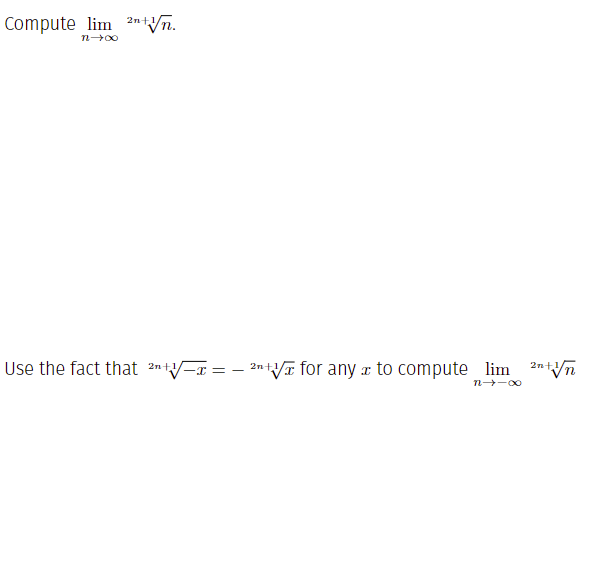
In the Engineering Calculus series, I prepared a series of projects students could opt to take to replace one test score. Every project gave a choice between writing (and solving) practice tests or diving into an application. The projects merge calculus concepts with applications, often with additional soft skills or learning objectives in mind.
Engineering Calculus II
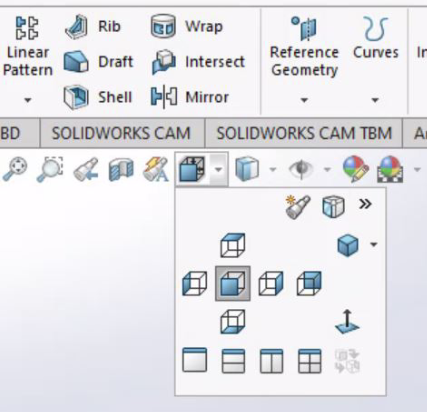

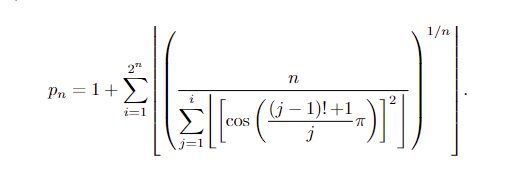

Here projects combined more technical skills (like using Solidworks, or comparing the running time of algorithms) with calculus topics.
Engineering Calculus III
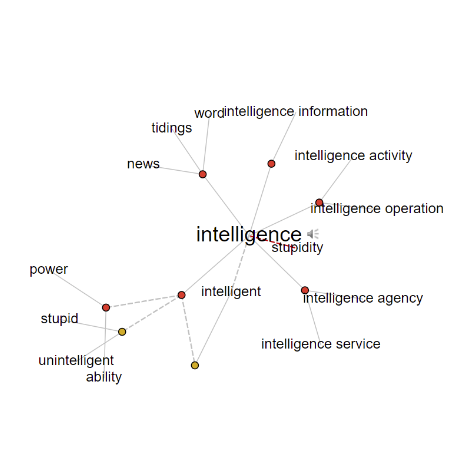


At a more advanced level, these projects probe students’ deeper understanding of how tools work and how to make sense of advanced mathematics.
- Education theory in ML and the limitations of AI
- Curves in games and design
- Gradient descent method in statistics and product development
- Visualizing math expressions and equations
When there is finally enough math background to fall down interesting rabbit holes, there aren’t enough hours on the schedule to teach them. The topics that were too interesting to completely leave out made it into director’s cut notes. Here are some on curves and on polar coordinates.
Differential Equations
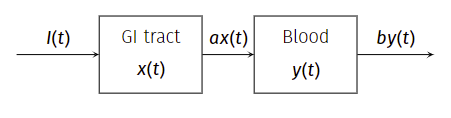
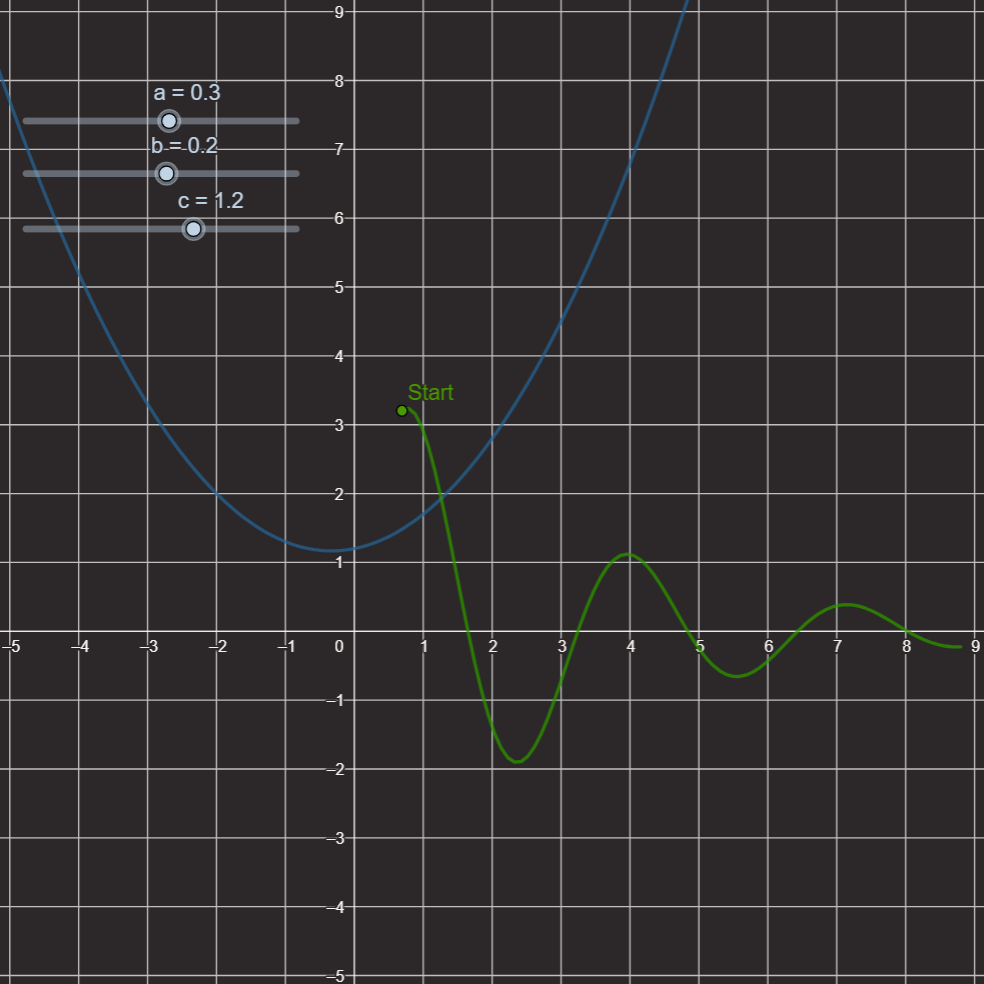
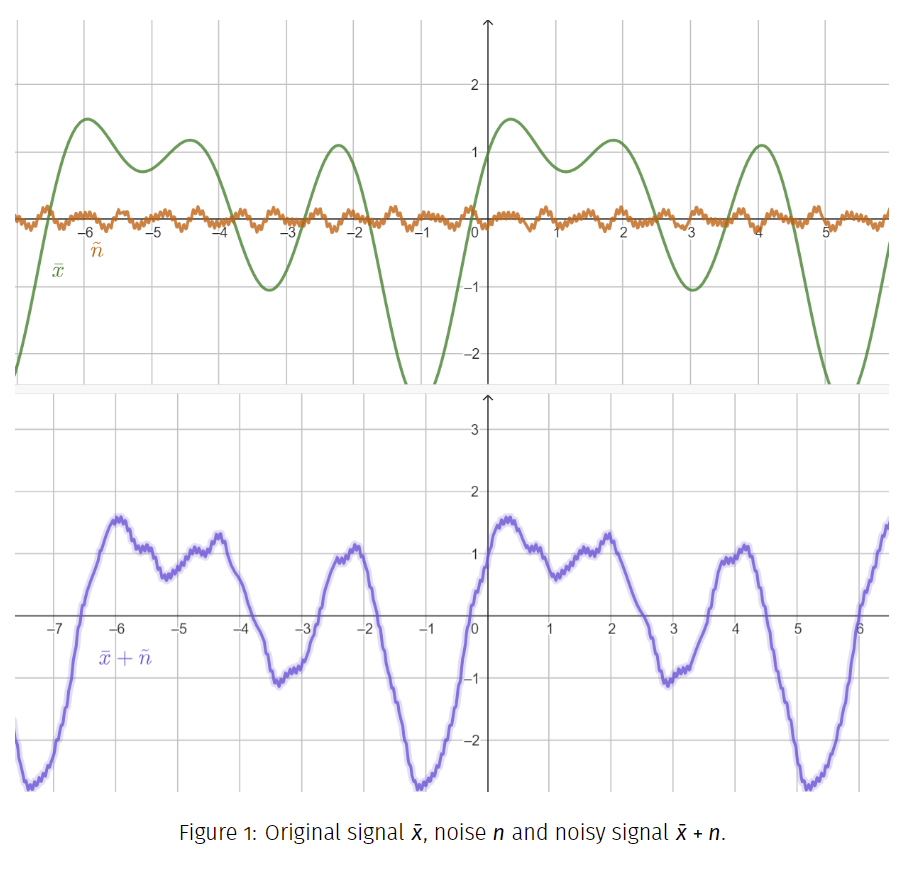
The projects for this course build on the idea developed for the calculus sequence and move from textbook applications to areas of active research.
- Modeling in pharmacokinetics
- The physics in differential equations
- Laplace transforms in signal processing
- The original neural networks
In addition to projects, there was also a typeset version of the lecture notes, to put all references to various textbooks as used in a convenient place.
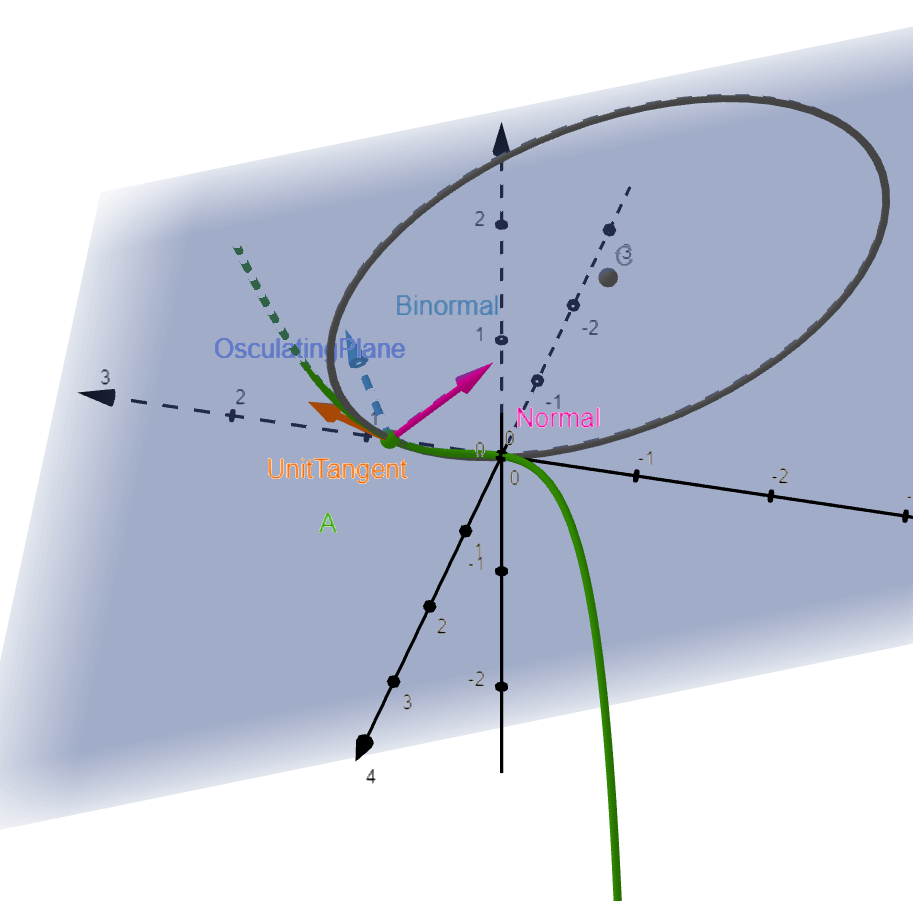
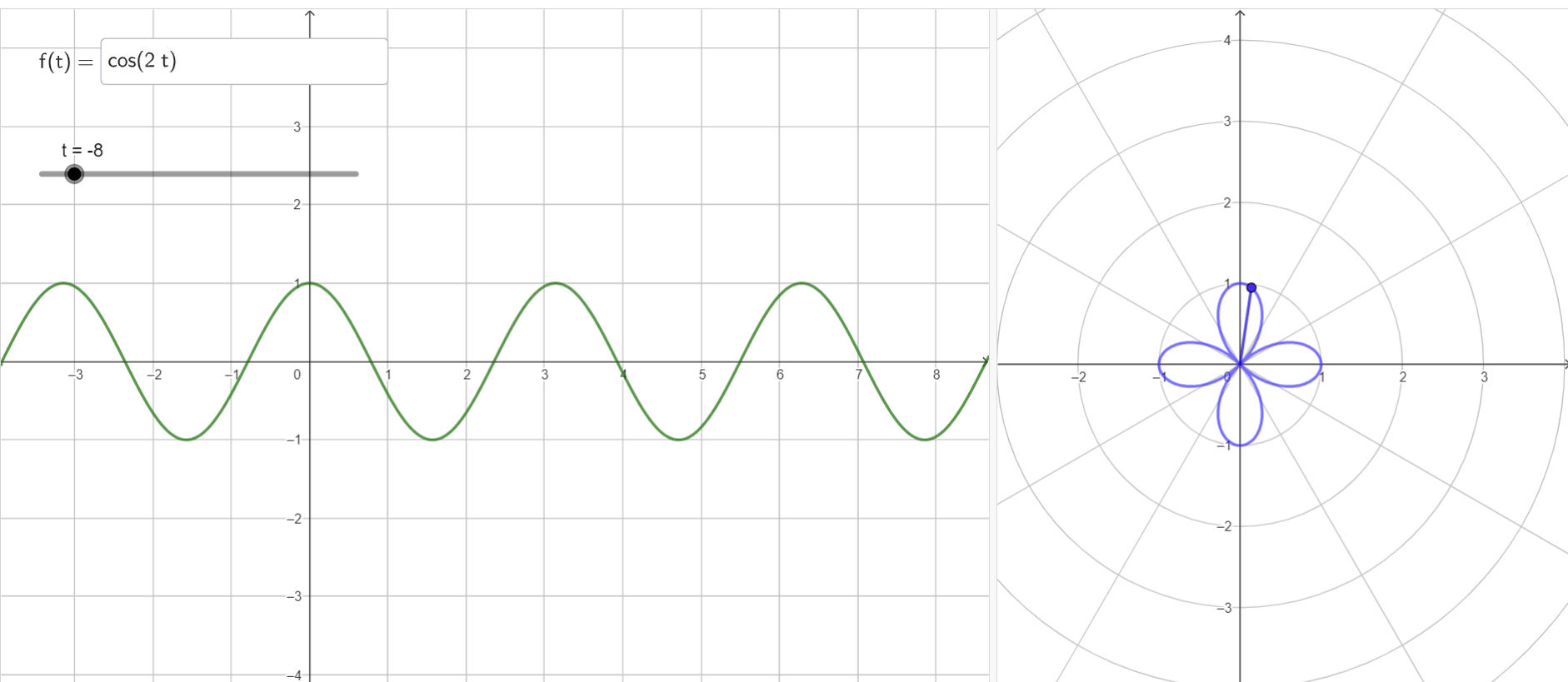
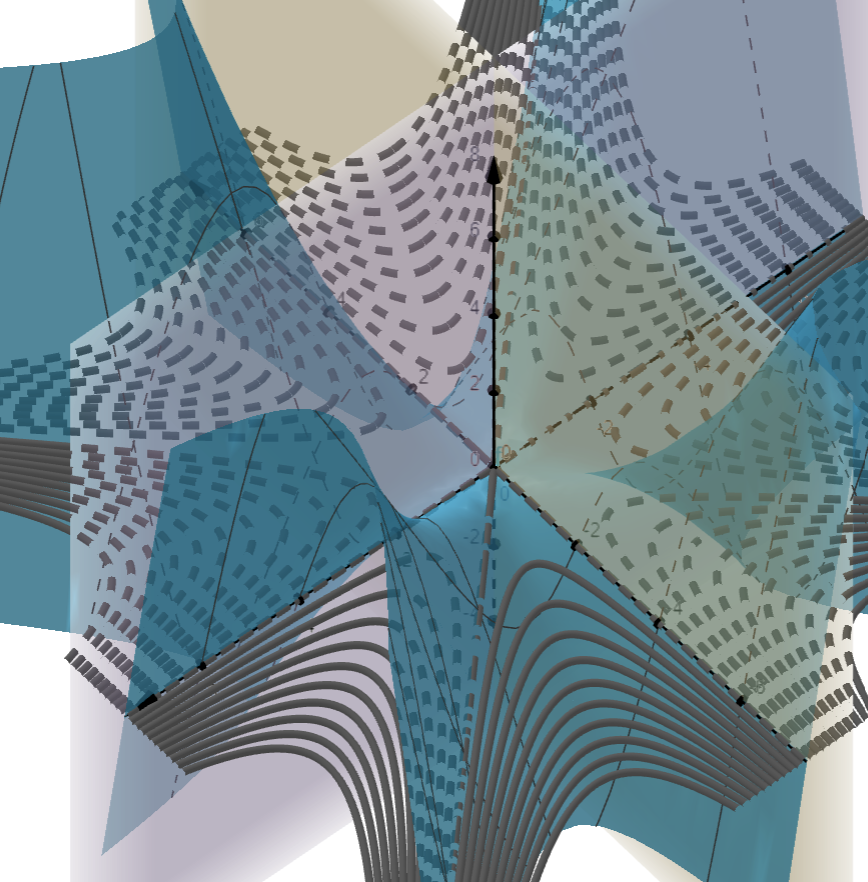
There’s more than pdf documents: I made companion Geogebra activities for a number of lessons. A collection of some of the nicer ones can be found here.
 Lina Fajardo Gómez